Why DIY Composting Fails Where Professional Units Thrive
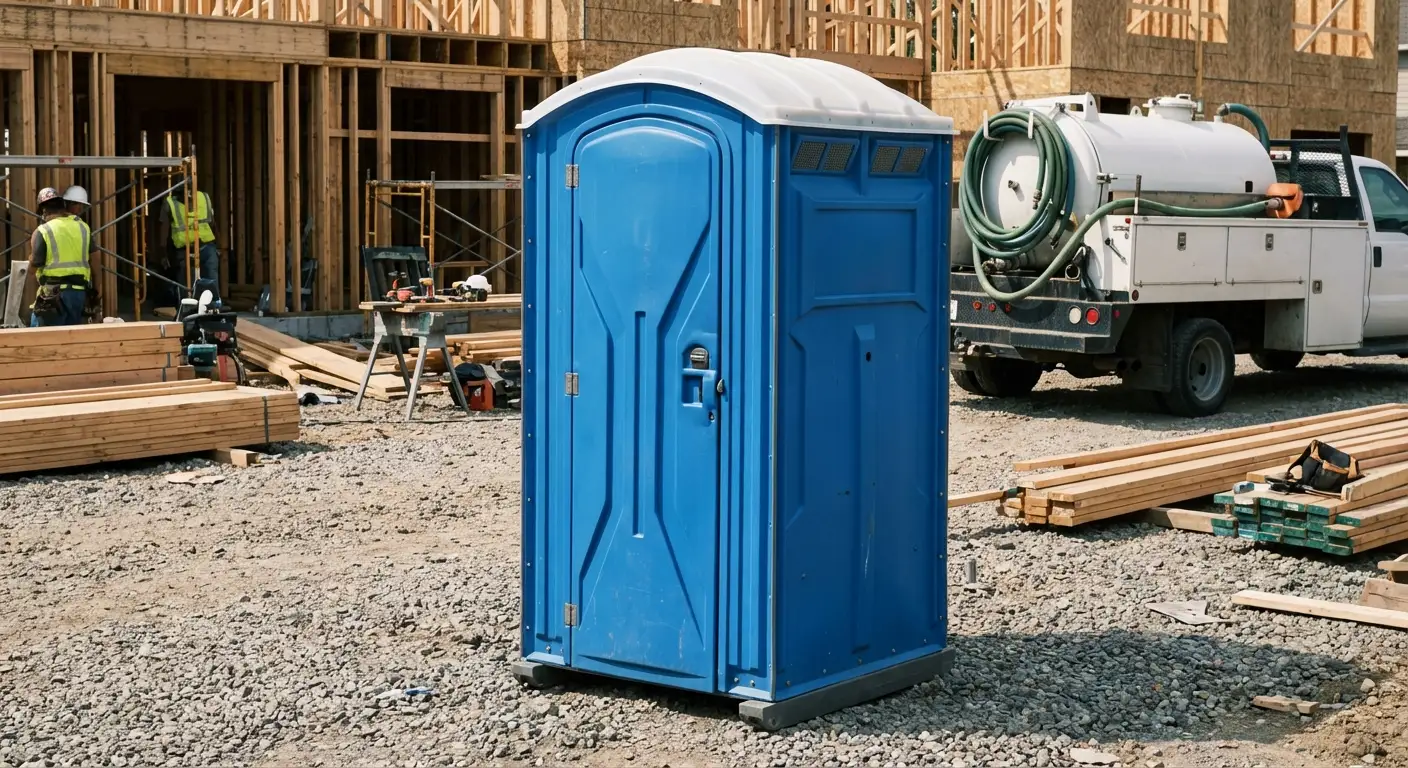
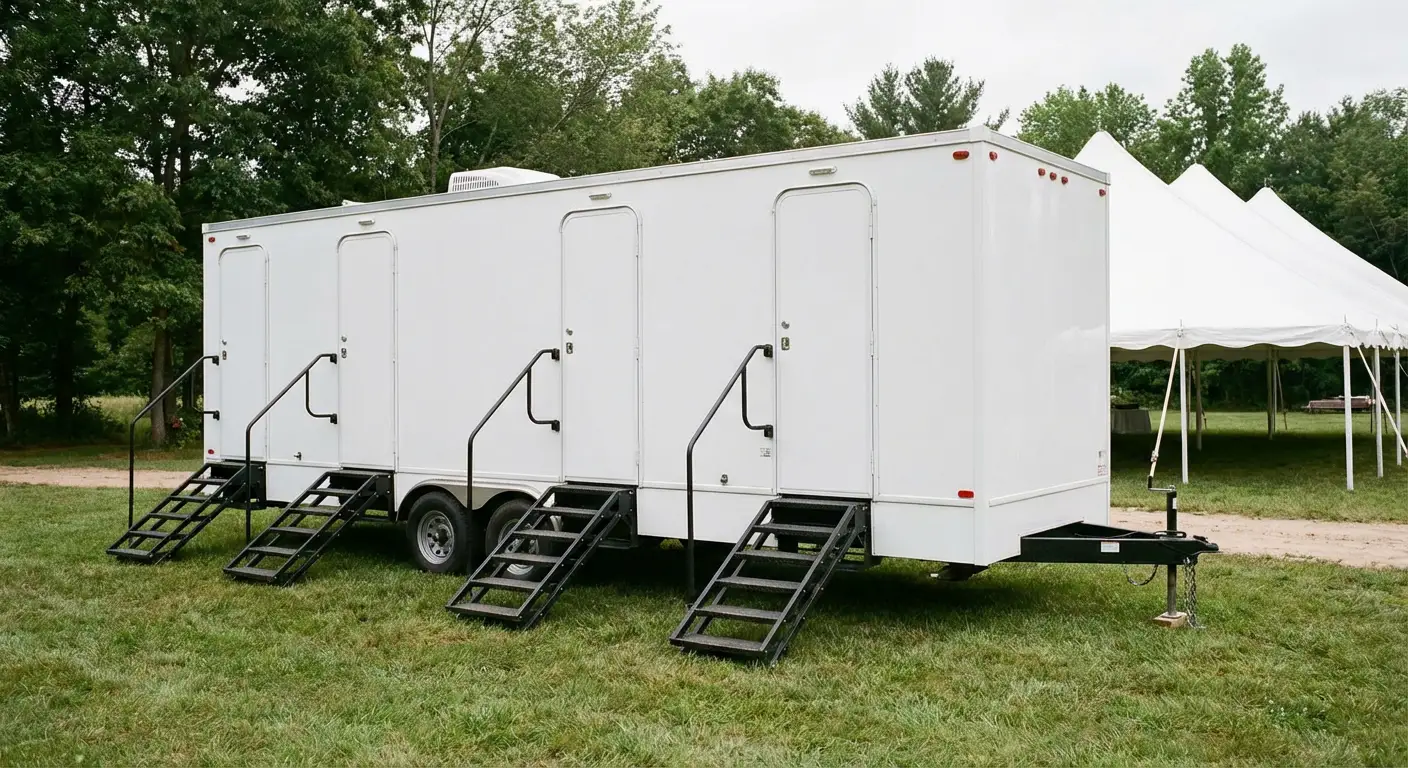
I've seen plenty of folks in Lake Forest try to save a buck by building their own sawdust toilets for garden parties or renovations. It usually ends with a mess. We've spent years refining our fleet because we know that a standard construction unit out-performs a bucket of peat moss every single time. My crew and I focus on a ventilation stack design that pulls air up and out, whereas DIY bins just let the heat and moisture sit. When you're dealing with North Shore humidity, that moisture turns a 'composter' into a swamp. We use high-grade odor control biocides to neutralize waste on contact. You won't get that from a bag of wood chips. If you're debating the two, remember that we are a logistics firm, not just a drop-off service; check our plumber vs sanitation vendor guide to see why professional hauling keeps your property clean and legal.
Key Considerations
-
DIY composters require manual sawdust layering and frequent bin emptying that most homeowners find repulsive.
-
Professional units use a fresh water flush and ventilation stack design to keep smells outside the cabin.
-
Illinois waste hauler permits cover our disposal, while DIY systems often violate local Lake Forest disposal codes.
-
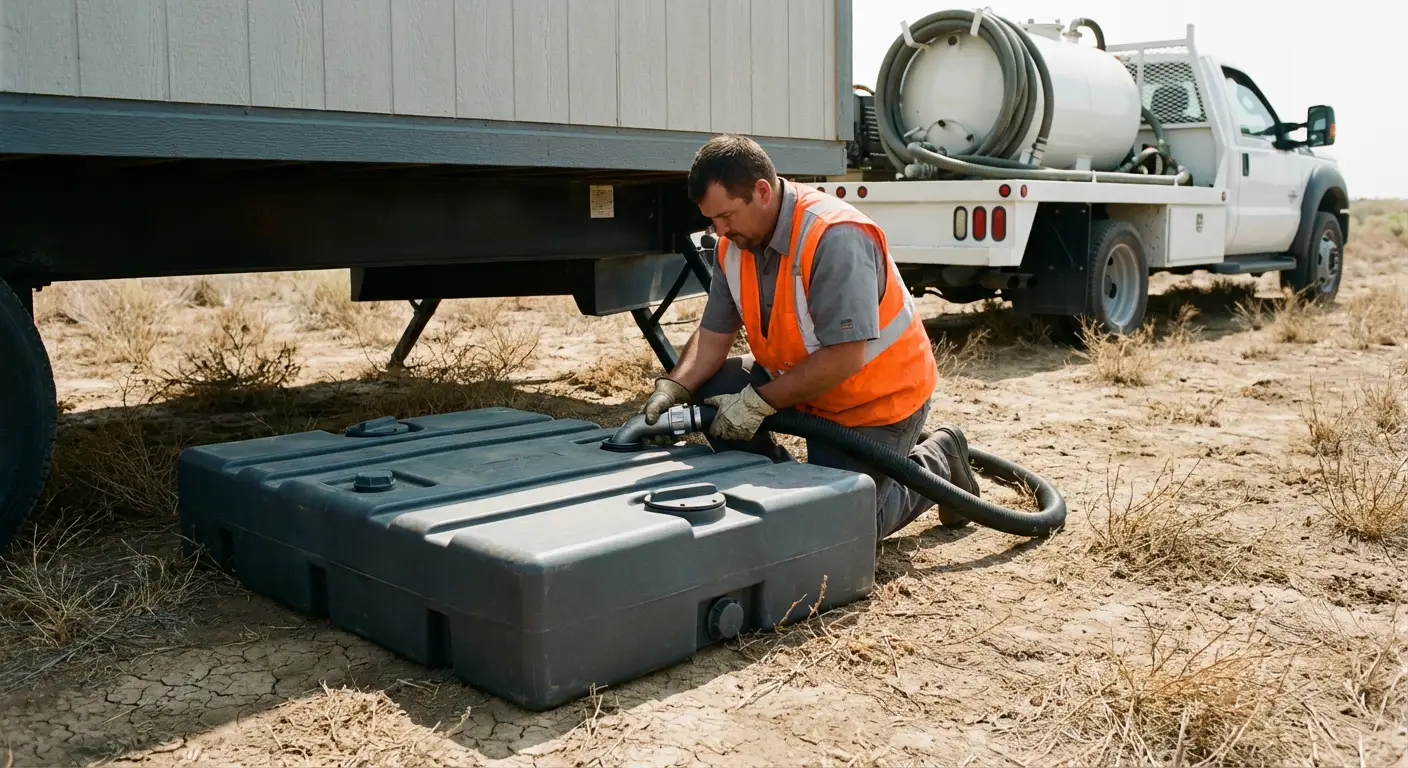
A 60 gallon waste tank handles heavy crowds without the risk of an overflowing compost bucket.